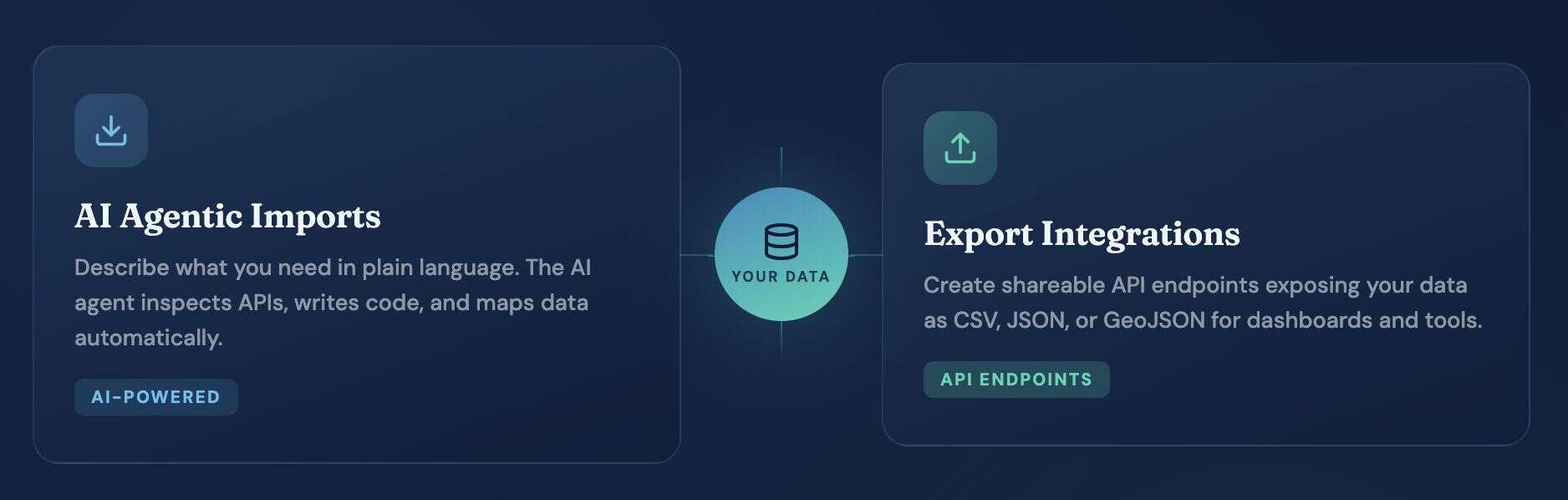
Health data is most useful when it leads to action. DHIS2 shows a ministry where diarrheal disease is rising. Someone still has to inspect the water source, record the broken pump, assign the repair and confirm it was fixed. Solstice and mWater are built for that follow-up. DHIS2 stays the national reporting system, and the two exchange only what each needs.
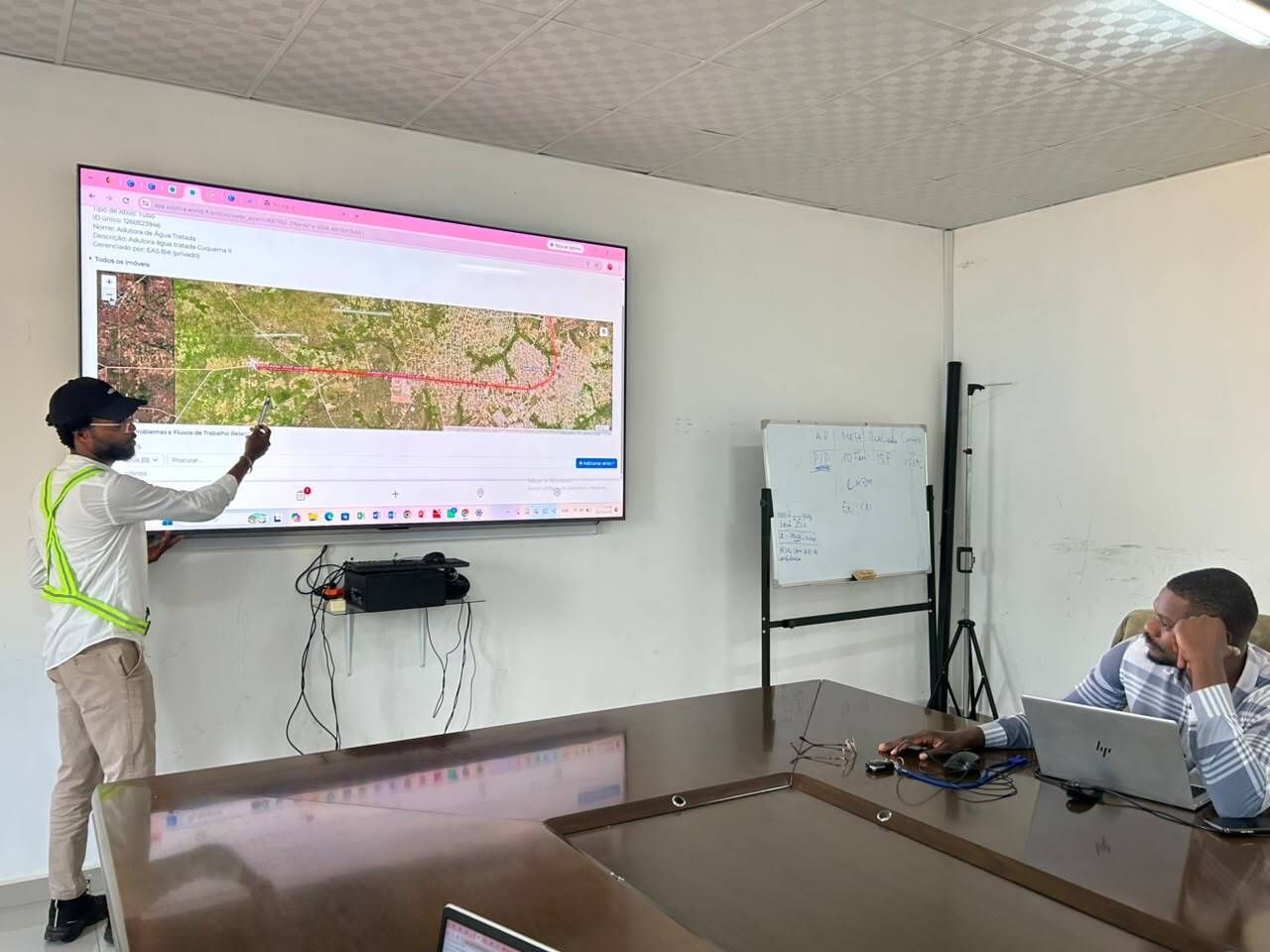
Zimbabwe's Ministry of Health and Child Care works this way. It runs its national water, sanitation and hygiene information system on mWater and brings in monthly district health data from DHIS2, such as cholera cases. Ministry staff build their own surveys and decide who sees what. Read how the ministry runs and adapts the system, or see the technical guide to connecting DHIS2.
DHIS2 holds the national health indicators, program records, and reporting. mWater keeps mapped records of water sources, health facilities, sanitation, and equipment, with every inspection over time. Solstice runs the work that crosses teams and organizations: who is assigned, what they did, and whether it was fixed.
| Information or task | Best home |
|---|---|
| National health indicators and routine reporting | DHIS2 |
| Program or surveillance records already managed in DHIS2 | DHIS2 |
| Maps of water, sanitation, facilities, and infrastructure | mWater, or an existing national registry |
| Inspections, photos, tests, and repeat visits | mWater or Solstice |
| Assigning, fixing, and confirming work across teams | Solstice |
| Analysis across systems | An agreed dashboard or analytics tool that reads from each system |
In Solstice and mWater, these steps run as a workflow. Each step is assigned to a named role, and its result is recorded with the facility. Reporting finds the problem. A workflow makes sure someone fixes it.
Start with the decisions the exchange must support. Then agree which system is in charge of facilities, areas, indicators, and infrastructure. Use the same facility IDs in both systems. Decide how often data moves, who corrects mistakes, and what happens when records disagree. Send as little personal data as possible, and use totals when individual records are not needed.
DHIS2 and mWater both have APIs. The Integrator runs the exchange on a schedule, so nobody has to export and upload files by hand. Larger national setups may add a shared registry or an integration engine, and FHIR where health standards require it.
Solstice Institute is a non-profit, founded as mWater in 2012, and has run the platform continuously since then. There are no license fees. Each organization owns its data and can export it through the API at any time. Data is encrypted in transit and at rest and backed up daily offsite. The platform had 99.985% uptime in 2024. Partners such as WaterAid hold the full codebase in escrow to protect continuity.
See the official DHIS2 pages on health intelligence, platform features, and FHIR; Solstice Institute and the mWater platform overview; and the technical guide to connecting to DHIS2.
Planning a health, WASH, or environmental information system? Contact info@solstice.world and we will help you plan it.